RECAP: Curse of Strahd, 9-13-26
Political and Narrative Context
The players are embroiled in a deepening conspiracy in Vallaki, where Lady Wachter has deceived the party, resulting in the death of the previous Burgomaster and the rise of a new, harsh interim regime.
- Lady Wachter captured Victor Vallkovich, who has become a vampire spawn and was publicly paraded, confessing to massacre.
- Karl, Lady Var’s younger son, now commands the constables, replacing veteran officers with his loyalists, and is conducting a purge, including investigations into the party.
- A visible increase in violence and vampire spawn attacks plagues Vallaki, seemingly tolerated by the new leadership.
- Players are investigating the Church of St. Andral, where Father Lucien is observed with glowing red eyes, indicating vampiric transformation.
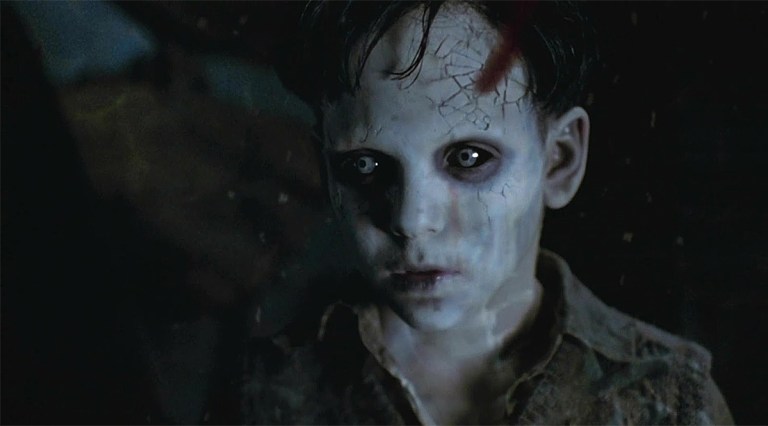
- A small boy, Yeska, helper to Father Lucien, is revealed to have been bitten by a vampiric figure and is partially through vampiric transformation.
- The party’s knowledge confirms that once vampirism progresses past a certain point, it is irreversible without brutal killing (decapitation and burning).
Investigation and Environmental Details
The party explores the church and its basement, uncovering clues and encountering ominous phenomena:
- A water barrel in the church basement was opened, triggering an emergence of a large swarm of aggressive spiders.
- The water barrel is an old wooden vessel, faintly marked “Wizard’s Vineyard,” suggesting it was once used for wine but now holds water.
- The basement’s spider grate is bolted down, no secret passage or tunnel found; the drain pipes are too small for creatures to pass.
- The church layout includes multiple rooms:
- The boy Yeska’s modest room, where he hides and fears the transformed Father Lucien.
- Father Lucien’s sparsely furnished room, consistent with a clerical lifestyle.
- A small library/workroom containing sermon notes and multiple copies of the Story of St. Andral, revealing ongoing clerical work.
- External to the church is a graveyard with mausoleums and crypts. The party recalls they accessed the crypt previously through a mausoleum out in the graveyard.
- A mausoleum near the church shows signs of a strange viscous substance inside, reacting visibly to light. This is later identified as a “tomb jelly”, a gelatinous undead ooze creature.
Combat with Undead, Swarms, and Horrors
The session features notable combat sequences with:
Spider Swarm Encounter
- Large black spiders pour out of the opened water barrel grate, swarming party members.
- Grughilda combats the spider swarm physically but is overwhelmed; other party members assist with spells and tactics.
- Hex’Sanguinate breathes fire onto the swarm, dealing significant damage.
- The party lifts and dumps water from the barrel onto Grughilda and He’Sanuginate, dispersing the spiders but soaking the players.
- Spiders scatter and are temporarily neutralized.
Tomb Jelly in the Mausoleum
- The party investigates a mausoleum with a floor filled with viscous, gelatinous substance – the tomb jelly.
- Pseudopods (tentacle-like extensions) erupt from the grate, attacking Grughilda and Tenzin.
- The tomb jelly shows resistance to acid and some elemental damage; attacks include bludgeoning and acid damage.
- Combat involves melee strikes, spells, and movement tactics, with the tomb jelly regrowing tentacles after being cut.
- Eventually, sustained damage from coordinated attacks (needle darts, divine lance, thunder strike, and fire breath) subdues and kills the creature.
- The crypt floor remains flooded with the gelatinous, jelly-like residue.
- A bronze funerary mask is found in the goo, nonmagical but artistically valuable (~25 gp).
Blood Creature Doppelgänger
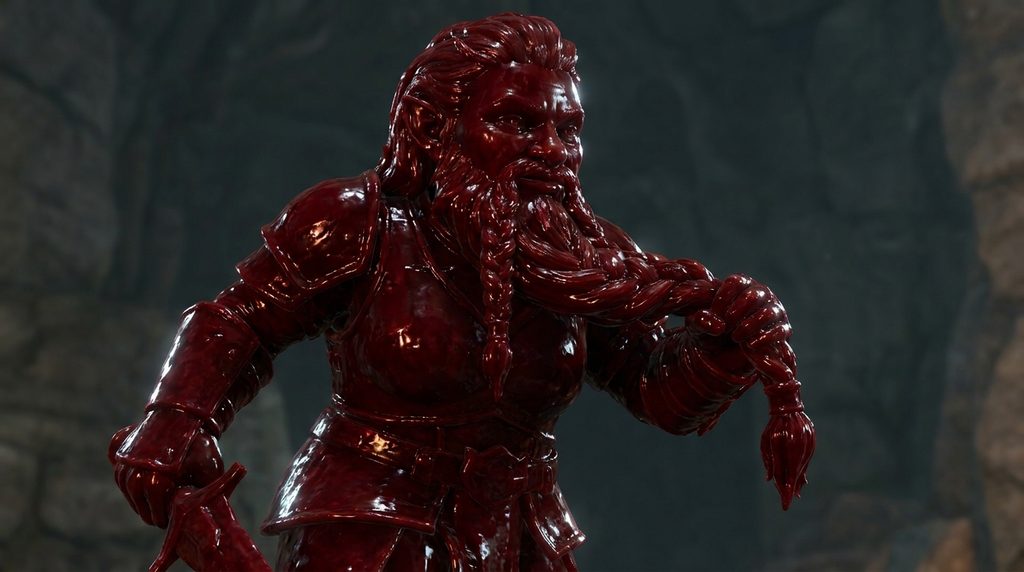
- In the church interior, party encounters horrifying blood constructs resembling Grughilda, made of coagulated blood.
- After being attacked, the blood creature splits into two parts, each acting independently.
- Combat includes melee attacks and magical assaults (vitality lash).
- Blood creatures vocalize in distorted, pleading voices mimicking Grughila, attempt to flee, and try to rejoin blood pools.
- The blood pools dissolve and absorb back into the church ceiling and floor, vanishing mysteriously.
Ghoul and Vampire Pursuit in the Crypt
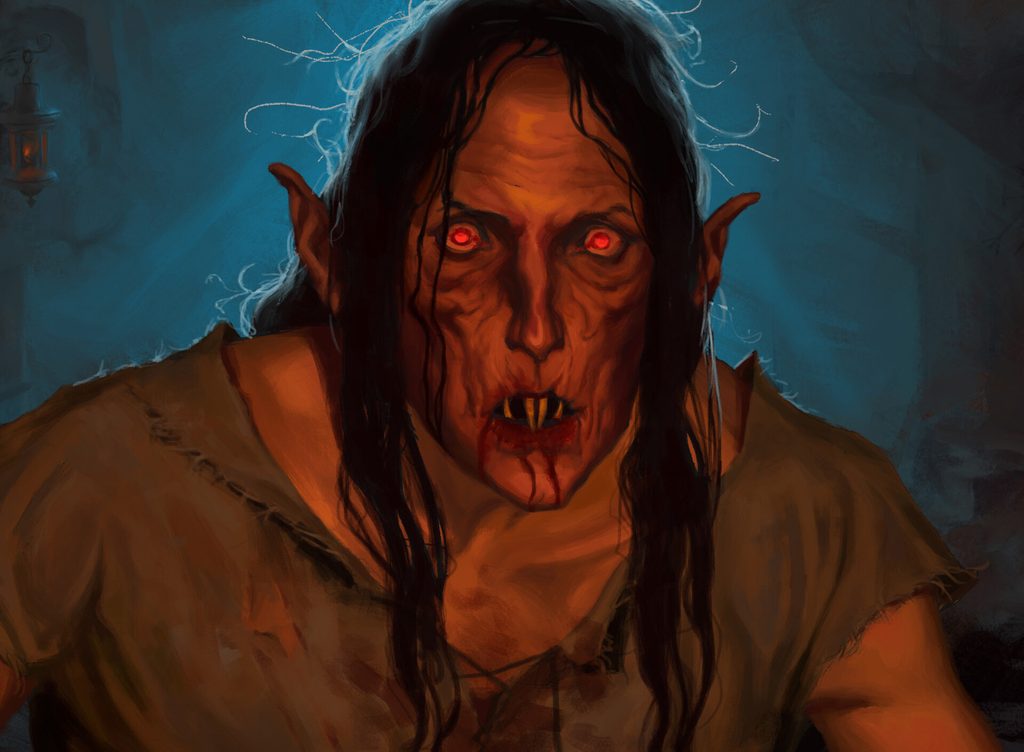
- Party chases a vampiric figure with rat-like teeth and threadbare clothes who bit Yeska.
- Initial contact features two ghouls charging the party, with the vampire flees deeper into the crypt.
- Hex’Sanquinate practices controlling battlefield conditions, using grease spells to reduce the vampire’s mobility on the stone stairs and walls.
- Combat involves ranged needle dart attacks, divine-powered strikes, fire-based spells, and melee charges.
- Vampiric creature bites Hex’Sanquinate, causing piercing damage, blood loss (drained 1 level condition), and ongoing threat.
- The vamprie is set on fire during combat (due to flammable grease and fire spells).
- The vampire attempts to drink blood from Hex’Sanquinate but is forced to disengage after catching fire from fire breath.
- Party members strategically use positioning, area denial, and spells to control the encounter.
- The vampire attempts to escape via climbing and crawling the crypt walls, with the party pursuing and attacking.
Key Game Mechanics and Tactics Highlighted
- Vampiric spawn must be killed decisively: decapitation and burning are the only effective cures post-transformation.
- Conditions such as drained (level 1) impose penalties and reduce hit points, requiring tracking.
- Combating swarms requires area effect damage and coordinated attacks.
- Environmental hazards (grease spell causing movement reduction and flammable surfaces) heavily influence combat outcomes.
- Initiative and combat order management enhanced with digital role-playing tools.
- Use of spells with strategic utility:
- Breath of fire cone for area damage.
- Grease to impair mobility.
- Needle darts for targeted ranged damage.
- Vitality lash for fortitude damage.
- Ignition and electric arc for ongoing damage and controlling enemy movement.
- Teamwork crucial to managing large threats and multiple monsters.
7. Conclusions and Key Insights
- The story emphasizes a dark atmosphere where trust is broken and vampirism spreads insidiously, deepening tension within Aki.
- Players must balance investigation, social inference, and tactical combat in confined, hazardous environments.
- The inability to cure vampirism once progressed stresses urgency and moral dilemmas, especially regarding the bitten boy Yesa.
- Tactical use of spells and coordinated melee/ranged attacks are critical to survive supernatural threats like swarms, gelatinous undead, and vampiric ghouls.
- Environmental factors such as grease and flammable surfaces add layered challenges requiring adaptive strategies.
- The narrative hints at deeper mysteries regarding Father Lucien’s disappearance and potential other lurking evils.
This session exemplifies a well-orchestrated mix of role-playing narrative, atmosphere, exploration, and tactical combat in a modern RPG campaign setting.